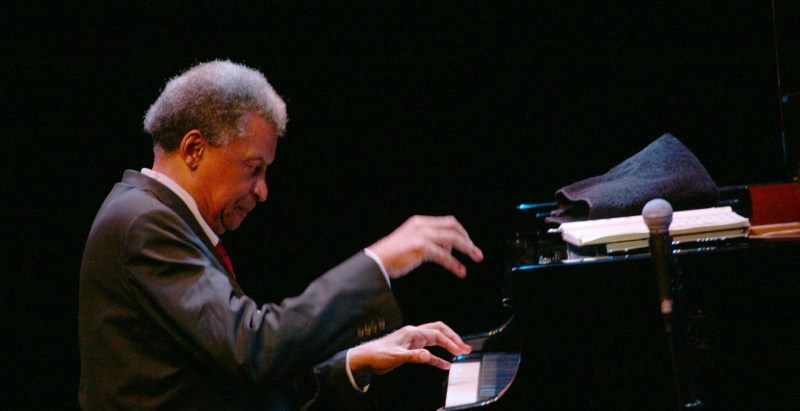
South African jazz pianist, composer, and anti-apartheid cultural icon Abdullah Ibrahim has died at the age of 91 after a short illness, his family announced.
Videos by Suggest
Ibrahim died peacefully in Germany on June 15, according to the BBC. His partner, Dr. Marina Umari, said he passed away with South Africa in his heart and remained deeply connected to his homeland throughout his life. Reports said he had been surrounded by loved ones at the time of his death.
Born Adolph Johannes Brand in Cape Town in 1934, Ibrahim emerged as one of the most influential figures in South African jazz. He began playing piano as a child and performed professionally as a teenager. During the 1950s, he established himself within the country’s jazz scene under the name Dollar Brand before gaining international recognition.
Abdullah Ibrahim Made History With The Jazz Epistles
Ibrahim helped make history as a member of the Jazz Epistles, whose 1960 recording became the first full-length jazz album released by an all-Black South African ensemble. The group worked during a period of increasing repression under apartheid, and its members faced significant challenges as racial segregation intensified across the country.
After leaving South Africa, Ibrahim settled in Europe and later the United States. A pivotal moment in his career came when legendary jazz bandleader Duke Ellington championed his music. Their association helped introduce Ibrahim to international audiences and expanded his influence within the global jazz community.
In 1968, Ibrahim converted to Islam and adopted the name by which he became known worldwide. Over a career that spanned more than seven decades, he recorded more than 70 albums and developed a distinctive style that blended jazz, African musical traditions, spiritual themes, and improvisation.
His best-known composition, “Mannenberg,” became a powerful symbol of resistance to apartheid and an enduring anthem of freedom in South Africa. The piece resonated far beyond the jazz world and helped cement Ibrahim’s status as both a musician and cultural activist.
Ibrahim performed at the inauguration of Nelson Mandela in 1994 and remained active well into his later years. His final public performance in South Africa took place at the Cape Town International Jazz Festival in March.