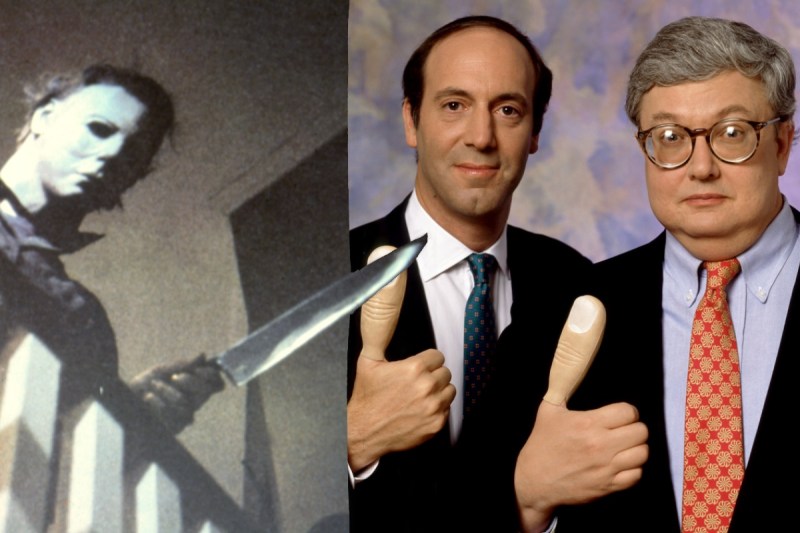
Film critics Roger Ebert and Gene Siskel famously despised the slasher genre. So, what made them give John Carpenter’s Halloween a pass?
Videos by Suggest
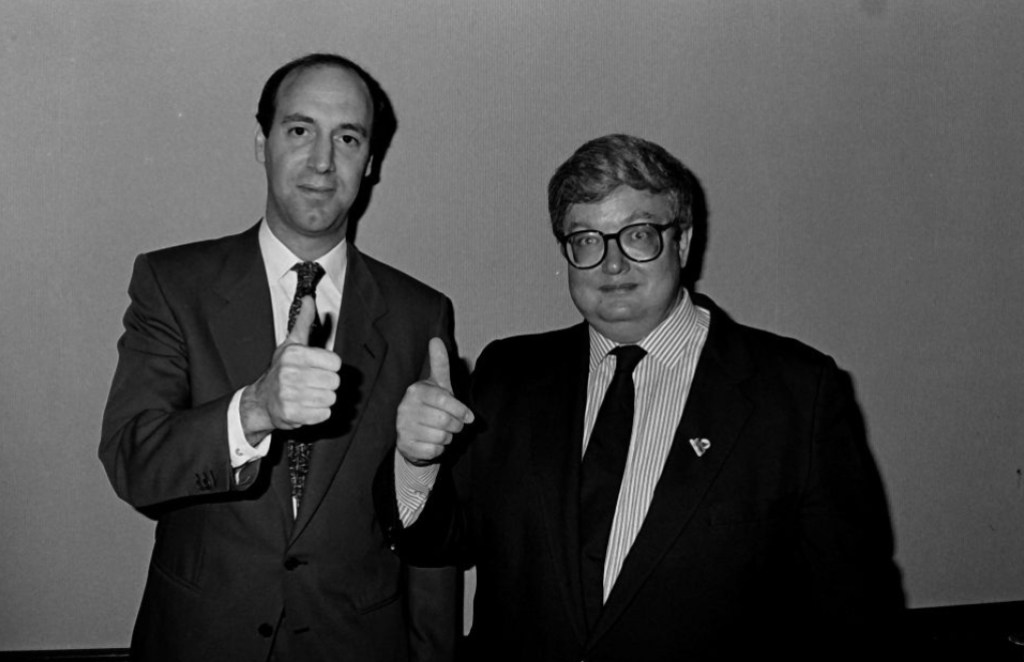
Getting a “thumbs up” from Chicago’s most powerful film critics, Gene Siskel of the Tribune and Roger Ebert of the rival Sun-Times, could spell box office gold in the 80s and 90s. Their dreaded “thumbs down” on their syndicated show, At the Movies, could mean certain disaster.
When director John Carpenter’s classic film dropped in 1978, Siskel was spooked, calling it “one of the scariest films I have ever seen,” while Ebert’s gushing four-star review compared Carpenter to thriller master Hitchcock.
‘Halloween’ Spawned a Subgenre Roger Ebert and Gene Siskel Hated
However, the duo’s favorable reviews didn’t anticipate how Halloween‘s runaway success would spark an entire horror subgenre, dubbed “the slasher.” Through the ’80s, alongside a few Halloween sequels, we saw a slew of bloody mayhem with flicks like The Prowler (with wild gore effects from the master Tom Savini), Prom Night (with Halloween star Jamie Lee Curtis cementing her scream queen status), and the subversive Slumber Party Massacre. Hell, even Santa got in on the act, with a St. Nick-suited ax-murderer chopping his way through the Silent Night, Deadly Night franchise.
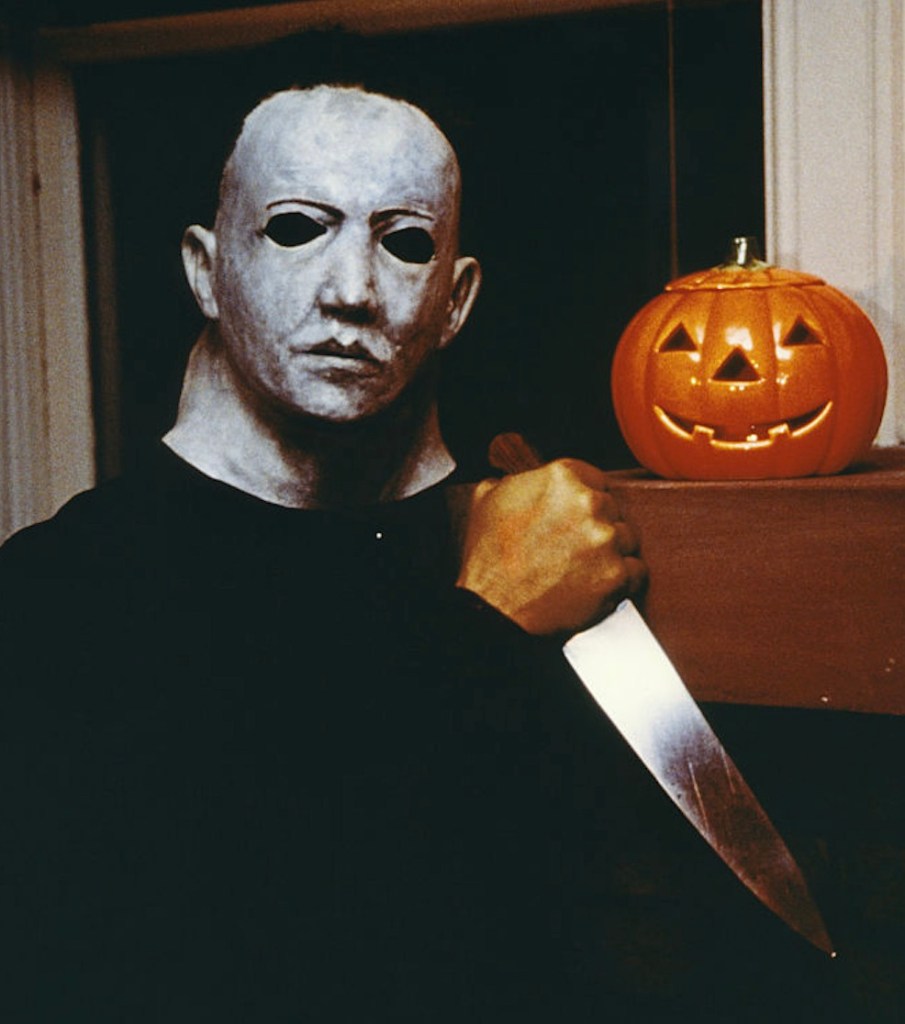
Of course, the subgenre also spawned a franchise that the beloved film critics may have hated more than anything else: Friday the 13th. The Jason Voorhees-led camp counselor chop-fest was a direct lift from Halloween‘s blueprint, from its masked killer and POV shots to its post-sex death scenes and holiday-themed title. Between 1980 and 1989 alone, the series churned out an astonishing eight installments, and Siskel and Ebert loathed every last one.
“It’s almost as if the audience is being asked to identify with the attackers in these movies, and that really bothers me,” Ebert said on At the Movies about the OG Friday the 13th.
While the horror genre has always been critic-proof, the duo’s passionate hatred for the slasher subgenre was notorious. Their disapproval likely discouraged more than a few parents from letting their kids enjoy the bloody slasher romps.
How Roger Ebert and Gene Siskel Contrasted ‘Halloween’ with the Slashers That Followed
“There is a difference between a horror movie and a freak show,” Ebert insisted in defense of Halloween on At the Movies when they were knee deep in their criticism of the 80s slasher craze.
After watching the famous climactic scene in which Jamie Lee Curtis’s Laurie Strode hides from Myers in a closet, Ebert launched into a passionate defense of the film.
“Halloween is directed and acted with a great deal more artistry and craftsmanship than the sleaze bucket movies we’ve been talking about, but there’s another much more important difference,” he insisted. “As you watch Halloween, your basic sympathies are always enlisted on the side of the woman, not with the killer. The movie develops its women characters as independent, intelligent, spunky, and interesting people.”
“Halloween does not hate women,” Ebert added.
Siskel then added his own perspective, pointing out the craftsmanship of Halloween.
“I must admit I wasn’t really worrying about the woman as much as I was placing myself in that closet and thinking about that killer, how I would handle it, and I was also appreciating the fact that I think Halloween not only doesn’t hate women, but it loves film and filmmaking,” Siskel said.
“That music is just fabulous,” Siskel continued. “The way he starts one theme and lays another thing on top of it, keeping the other theme really good. Also, the light coming through the slats in that closet, this is a film that’s sort of up, that scene is up, and you’re jumpy rather than getting depressed and feeling sorry and feeling sorry that you’re even watching it.”
Ebert then cut in with, “I think what you’re touching on here is that artistry can redeem any subject matter.”
Ebert Weighs the Art vs. Commercialism in Slasher Films
Perhaps sensing they were starting to sound like a couple of concerned mothers at a PTA meeting, Ebert delved further into the art vs. commercialism debate in horror films.
“That’s why I’ve always been opposed to censorship,” Ebert explained. “I don’t believe any subject matter should be off base. The question is, what does the artist do with it? How does he look at it? How does he put it through his art in order to make a statement about it, or to make it into either a commercial film or a serious film?”
“I believe that in the case of a movie like Halloween, we can engage in that joy of filmmaking that you talk about. That’s not the case with the other films that really address themselves to the lowest possible common denominator. So we’re not knocking scary pictures,” Ebert insisted.
So while Siskel and Ebert’s thumbs may have been down for most of the slasher genre, they made a clear exception for the artistry of Halloween. It seems even the harshest critics could appreciate a good scare when it was crafted with more Hitchcockian suspense than bloody exploitation.