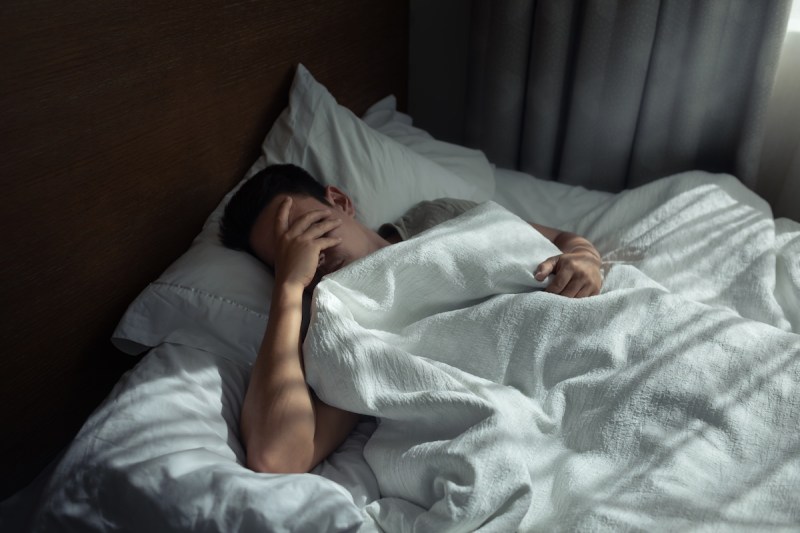
We all know sleep is non-negotiable. And sometimes, when your “relaxing” bedtime routine turns into a multi-hour battle for shut-eye, reaching for melatonin feels just as mandatory.
Videos by Suggest
Not so long ago, I worked the graveyard shift. That’s 7 p.m. to 7 a.m. for those who enjoy a normal sleep schedule. I invested in blackout curtains and a box fan, desperately trying to trick my brain into thinking daytime was nighttime. Of course, it rarely worked. I’d find myself essentially catnapping whenever I could, then feeling like I was living in a fog during my shift.
Then, a well-meaning (and infuriatingly well-rested) coworker suggested melatonin. She swore by it, so I eagerly picked some up, surprised by how easy it was to buy something that promised to knock me unconscious.
And listen, it “worked.” Technically. Shortly after taking the melatonin, a pleasant grogginess would set in, and I’d slip into bed and promptly zonk out. The clock confirmed I was logging plenty of hours before my night shift, which, at first, brought a real sense of relief.
However, I quickly realized melatonin wasn’t a sustainable solution. For one, the supplement seemed to trigger incredibly vivid dreams, essentially making me feel like I was living a second life while I slept. And no, I wasn’t vacationing on a beach with Salma Hayek or eating the world’s largest hoagie as I caught some zzz’s. Instead, I’d dream of being at work, stuck doing monotonous tasks while my life slipped away.
But more importantly, I just didn’t feel rested. I was clocking the hours, but it was all sleep and no rest. The melatonin-induced fog felt suspiciously similar to the exhaustion I was trying to escape, and I found myself nodding off at work anyway.
Melatonin had failed me, so it was back to the drawing board. I decided to build a better bedtime routine, one that didn’t involve being haunted by work dreams.
First, I stopped trying to force sleep. Instead of jumping into a pitch-black room while still buzzing from my shift, I allowed myself to decompress.
Turns out, doom-scrolling before bed is a terrible idea. According to the Sleep Foundation, the blue light from our devices tricks our brains into thinking it’s still daytime. This messes with our natural melatonin production, making it harder to fall asleep. For me, the solution was simple: ditch the screen for a real, paper book.
I started reading comfort books—for me, that meant Stephen King short stories. (Don’t judge, they’re practically lullabies if you grew up with them!) I’d read in a dimly lit room, with only a reading lamp to see by. No screens allowed.
I also swapped the jet-engine roar of my box fan for a white noise machine and cranked down the A/C. Getting nice and cool before slipping under the sheets became a key part of the new ritual.
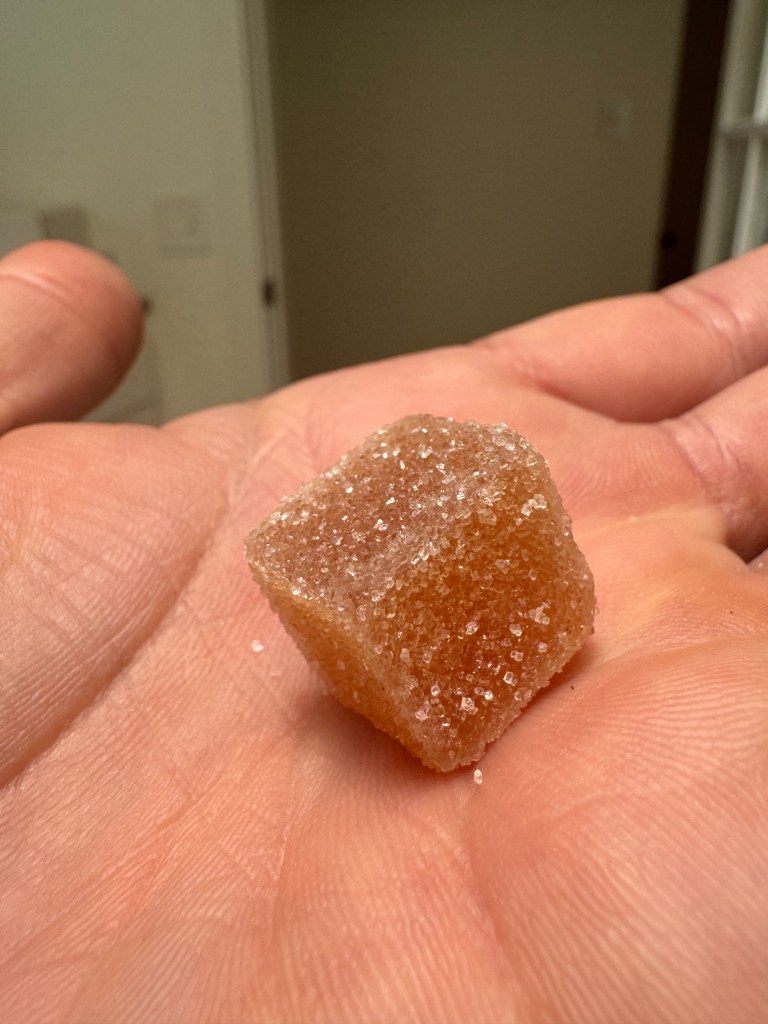
All of this helped, but something was still missing. I needed that final push into dreamland. During an internet deep dive, I stumbled upon a hemp-based supplement called Oola Sleep Ease Gummies. It seemed promising. While melatonin-heavy products acted like a tranquilizer dart, Oola promised to be a gentle guide, supporting my wind-down routine instead of hijacking it.
After my experience with melatonin, I was braced for another face-plant into an abrupt, dream-inducing sleep. But Oola was a pleasant surprise. It was more like a gentle nudge into slumber, not a shove off a cliff. It slotted perfectly into my wind-down routine rather than trying to be the whole show. Best of all, I actually felt rested when I woke up, with no brain fog to battle during my next shift.
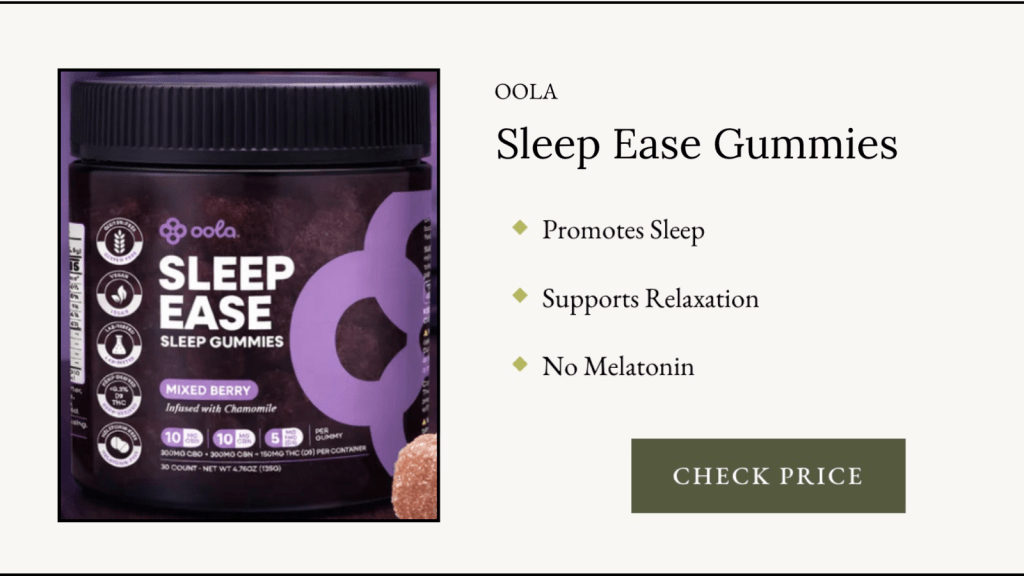
Turns out, I didn’t need some intense, four-hour influencer-approved sleep routine. Finding my own bedtime groove—a mix of comfort pop culture, a cooler bedroom, and a gentler sleep supplement—was all it took. It wasn’t one magic product but the whole routine working together that finally helped me get the rest I needed.
And no, Stephen King didn’t give me nightmares.