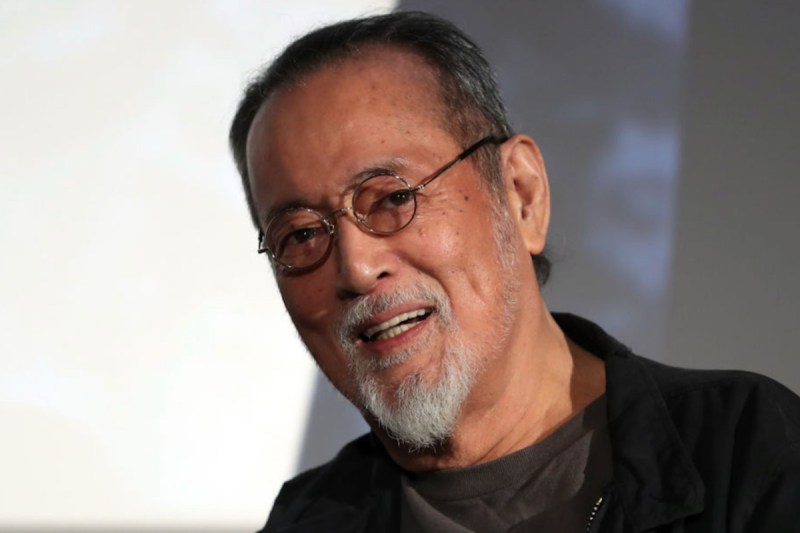
Japanese actor Tatsuya Nakadai, a frequent collaborator with revered director Akira Kurosawa, has died.
Videos by Suggest
The Japan News reported that the actor died of pneumonia in a Tokyo hospital on Saturday. Nakadai was 92.
Nakadai, born in Tokyo in 1932, became one of his generation’s most renowned actors. His early career was closely linked with directors Masaki Kobayashi and Akira Kurosawa. Kobayashi discovered Nakadai working as a sales assistant at a Tokyo department store in the 1950s, giving him his first major film role.
Kobayashi’s first role for Nakadai was a minor one in the 1956 war drama The Thick-Walled Room, which focused on Japanese soldiers accused of war crimes.
The duo collaborated on 11 films in total. Nakadai next starred in the director’s The Human Condition trilogy (1959-61) as a pacifist trying to stay true to his ideals in wartime Japan, and then in the ronin drama Harakiri (1962).
Tatsuya Nakadai Gains International Fame Collaborating with Acclaimed Director Akira Kurosawa
However, it was Nakadai’s work with Kurosawa that brought him his greatest international fame.
Nakadai and Kurosawa collaborated on five films. Perhaps most notably, the Oscar-winning 1985 epic Ran, inspired by King Lear, where Nakadai portrayed a tragic feudal warlord.
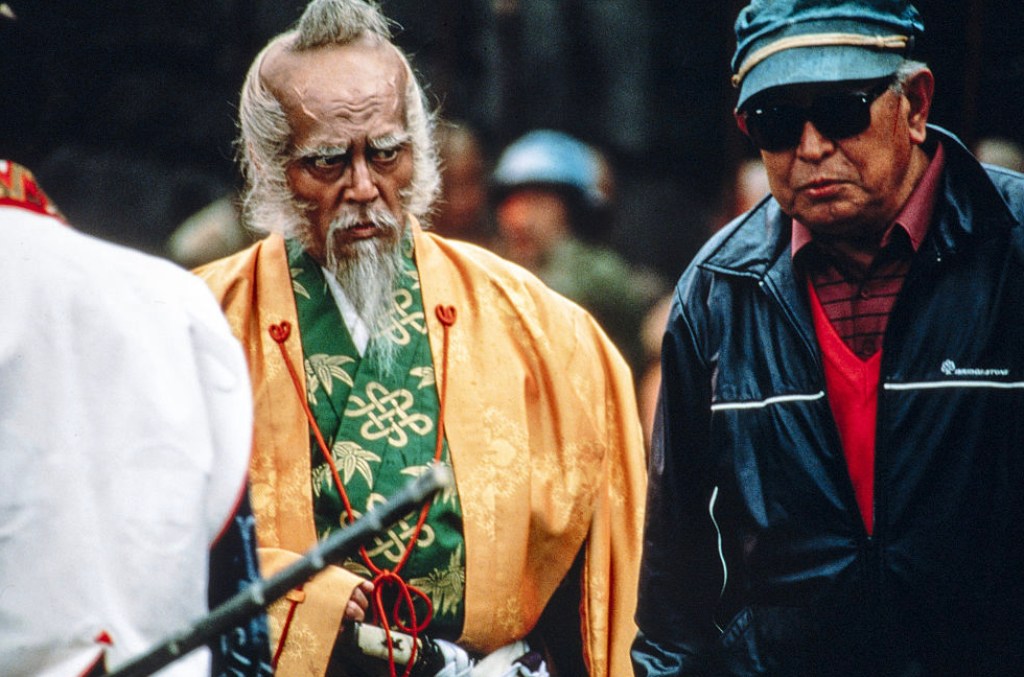
Earlier, they worked on the samurai drama Kagemusha, which won the Palme d’Or at the Cannes Film Festival in 1980.
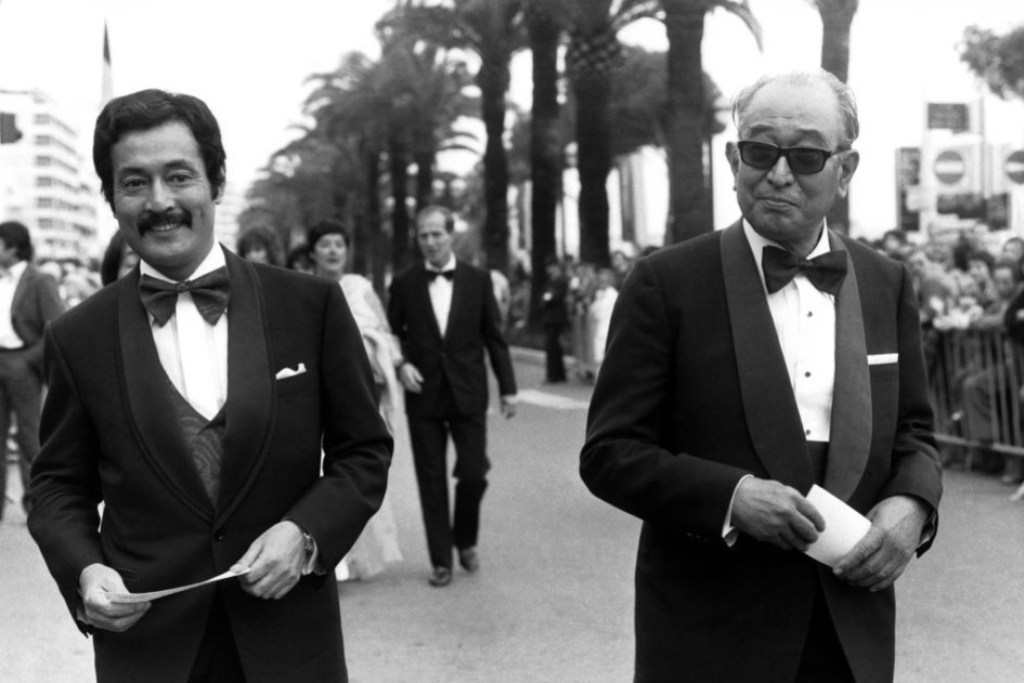
According to IMDb, Nakadai’s diverse 184 acting credits include the Yakuza melodrama Onimasa (1982), the English-language film Return from the River Kwai (1989), and Japan’s Tragedy (2012), a family drama set after the 2011 earthquake and tsunami. He also starred in the animated feature The Tale of the Princess Kaguya (2012).
His final film, The Pass: Last Days of the Samurai, was released in 2020.
Beyond his prolific acting career, Nakadai founded the Mumeijuku acting school in 1975. Its alumni include Koji Yakusho, who won Best Actor at Cannes in 2023 for his performance in Wim Wenders’ Perfect Days.
Meanwhile, Nakadai received the Order of the Rising Sun in 2003 and was named a Person of Cultural Merit in 2007. He was also awarded the Order of Culture, Japan’s highest honor in arts and sciences, by the emperor in 2015.