
Grammy-nominated hip-hop producer Tay Keith died from an accidental overdose involving ketamine and compounds associated with kratom.
Videos by Suggest
Keith’s cause of death was confirmed to PEOPLE by a source from the Nashville Medical Examiner’s Office. He was 29 years old.
The medical examiner identified ketamine toxicity and toxicity from mitragynine, 7-hydroxy mitragynine, and mitragynine pseudoindoxyl. Those compounds occur in kratom. The medical examiner classified the manner of death as accidental.

Tay Keith’s Death Determined To Be Accidental
Police found Keith dead inside his Nashville apartment on June 18 after they conducted a welfare check. Authorities initially withheld a cause of death while the medical examiner completed the investigation. Police did not suspect foul play.
Keith established himself as a prominent producer through collaborations with leading hip-hop and pop artists. He helped produce Travis Scott’s “Sicko Mode,” which featured Drake, and Drake and BlocBoy JB’s “Look Alive.”
Keith received Grammy nominations for his production work on “Sicko Mode” and Drake and 21 Savage’s “Rich Flex.” His credits also included Drake’s “Nonstop,” Eminem’s “Not Alike” and Sexyy Red’s “Pound Town.”
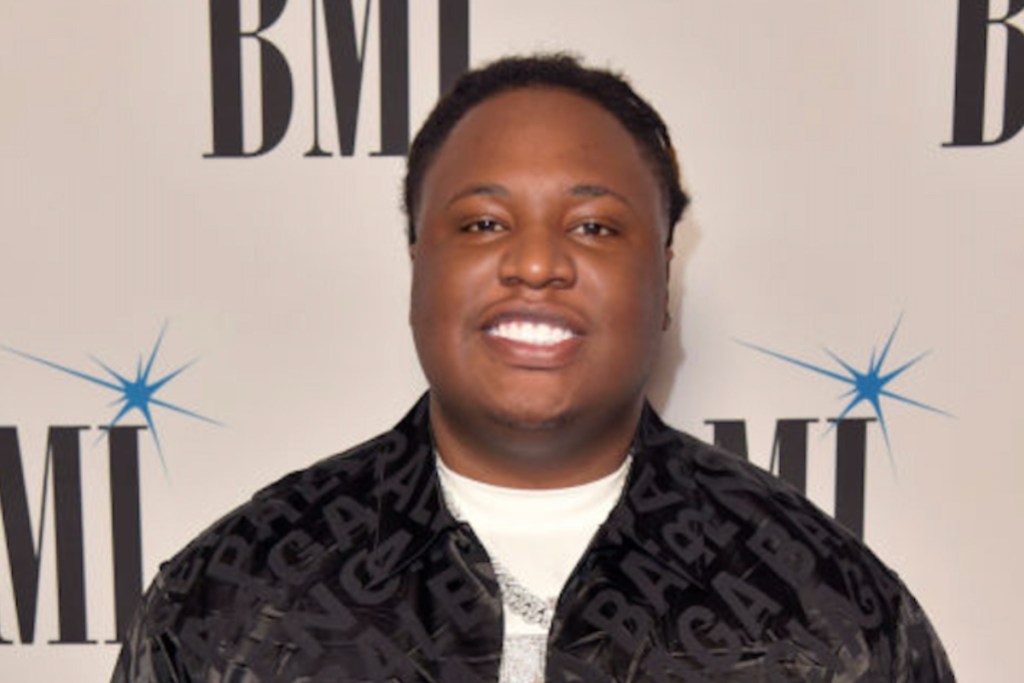
The Memphis native founded Drumatized, a company that supported emerging songwriters, producers and artists. His family described him as a producer, songwriter, entrepreneur, philanthropist and cultural figure who helped shape contemporary music.
Keith attended Middle Tennessee State University and earned a bachelor’s degree in 2018. The university later honored him with an honorary professorship. He remained connected to Memphis and often discussed his goal of bringing the city’s musical identity to a wider audience.
Keith’s death drew tributes from collaborators and other figures across the music industry. Drake paid tribute to the producer after his death, while other artists highlighted Keith’s contributions to their music and careers.
Keith leaves behind a catalog of influential hip-hop productions and collaborations that helped define major commercial releases during the late 2010s and 2020s. His work connected Memphis influences with mainstream hip-hop and earned him recognition among artists across several generations.
Keith is remembered by his family as “a visionary producer, songwriter, entrepreneur, philanthropist and cultural force who helped define the sound of a generation.”