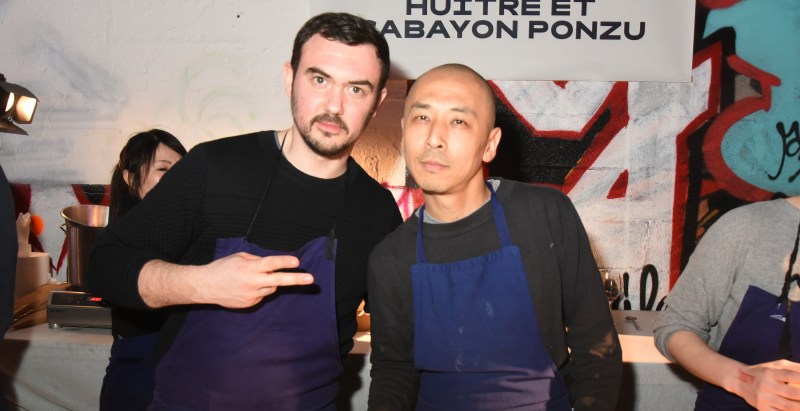
Bertrand Grébaut, the acclaimed French chef who transformed modern Paris dining through his Michelin-starred restaurant Septime, has died. He was 44.
Videos by Suggest
Grébaut died on July 2 in Paris after battling cancer, according to The New York Times. His business partner and longtime friend, Théophile Pourriat, announced the chef’s death in an emotional message shared on Septime’s Instagram account. Pourriat wrote that Grébaut “fought with all his might and immense courage against his illness” and described him as his “best friend,” “partner,” and “brother.”
The New York Times reported that doctors diagnosed Grébaut with cancer in the fall of 2025. Despite his illness, he remained a central figure in the restaurant group he built with Pourriat over the past 15 years.
Bertrand Grébaut Was A World-Class Chef
Grébaut and Pourriat opened Septime in Paris’ 11th arrondissement in 2011. The restaurant quickly earned international acclaim for its ingredient-driven cuisine, relaxed atmosphere and thoughtful approach to fine dining. Septime received a Michelin star in 2014 and appeared several times on the World’s 50 Best Restaurants list.
The pair expanded their business beyond Septime, creating a collection of hospitality ventures that included the wine bar Septime La Cave, the seafood restaurant Clamato, the bakery and café Tapisserie, and the countryside inn D’Une Île. Following Grébaut’s death, Pourriat said the restaurants would continue operating until the funeral before closing briefly to honor his memory.
Born in 1981, Grébaut developed his culinary skills at Ferrandi Paris before working under celebrated chef Alain Passard at L’Arpège. He later led the kitchen at L’Agapé, where he helped the restaurant earn a Michelin star before launching Septime. His cooking emphasized seasonal vegetables, carefully sourced ingredients and close relationships with farmers, fishermen and producers.
Although Grébaut earned worldwide recognition, he avoided the spotlight and rarely embraced social media. Instead, he encouraged guests to focus on sharing meals rather than documenting them. His philosophy helped redefine contemporary French gastronomy by combining technical excellence with an informal dining experience.
Tributes from chefs, restaurateurs and admirers followed the announcement of his death, praising both his culinary influence and his generosity.