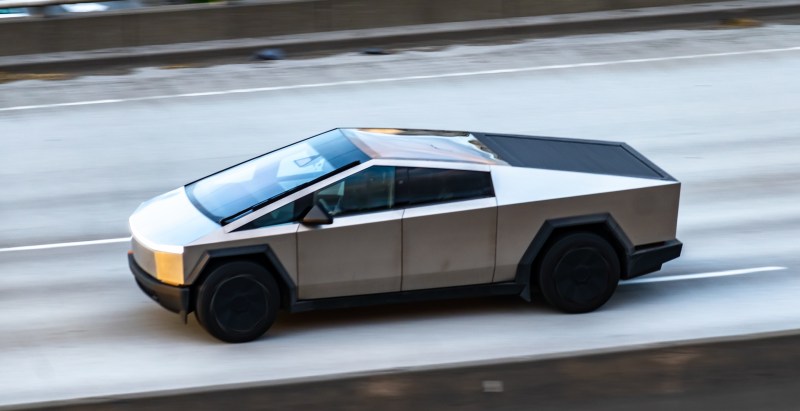
A female college student from California died inside a Cybertruck after the electric vehicle locked her and her friends inside the burning vehicle, according to the New York Post. 19-year-old Krysta Tsukahara and two other college students were burned alive in November 2024 after a crash led to their Cybertruck bursting into flames.
Videos by Suggest
Lawsuit Filed Against Tesla For Death Of College Students In Burning Cybertruck
This horrific accident happened after their vehicle collided with a retaining wall and a tree in Piedmont. Inside the truck was not only Tsukahara, but the 19-year-old driver, Soren Dixon, and the 20-year-old passenger, Jack Nelson.
Only one passenger, Jordan Miller, managed to escape the crash on November 27. This was after a witness came to help by smashing the windshield with a tree branch.
Tsukahara didn’t pass away immediately, as she reportedly survived the initial crash. The college student was fully conscious but was unable to escape the flames after the Cybertruck lost power.
As an electric vehicle, the Cybertruck’s electronic door release system failed, per the lawsuit the victim’s parents filed, per the San Francisco Chronicle. Although bystanders were attempting to help, they were unable to pull the three college students from the truck.
According to the lawsuit, the vehicle’s emergency manual interior door release is difficult to find. The Cybertruck’s doors are powered by a 12-volt battery that can fail if the Tesla vehicle loses power in a crash.
Tsukahara’s cause of death was smoke inhalation and burns. Now, the family is blaming Tesla for the lack of safety with Cybertrucks.
“It’s just a horror story,” said Roger Dreyer, the family’s attorney. “Tesla knows that it’s happened and that it’s going to happen, and they are doing nothing but selling the car with a system that entraps people and doesn’t provide a way of extraction.”
Multiple Cases Of Tesla Doors Malfunctioning
This isn’t the only example of Tesla’s door systems malfunctioning. The lawsuit details 30 other examples of publicized alleged issues with this door system. It has accused the company, owned by Elon Musk, of showing a “conscious disregard” for customer safety.
The lawsuit also mentions how Tesla’s handleless door design can easily fail in a crash and “lacked a functional, accessible, and conspicuous manual door release mechanism [or] fail-safe.” Tesla doors only open with the push of a button instead of having a typical handle.
The one thing that could stand in the way of the family’s case is the fact that all four victims were inebriated at the time of the crash. They all had cocaine and alcohol, among other substances, in their bodies.
Despite this issue, Tsukahara’s attorney still believes they have a “very, very strong case” against Tesla. “They [Tesla] will want to blame Mr. Dixon, anybody but themselves,” said Dreyer.
“But this vehicle absolutely should not have entombed these individuals and my clients’ daughter. It’s our way of holding the wrongdoer accountable and correcting bad conduct.”
This isn’t the only lawsuit related to these tragic deaths. Nelson’s parents have also recently filed their own lawsuit against Tesla on Thursday. Both of these wrongful death suits are seeking unspecified punitive damages against Musk’s company.