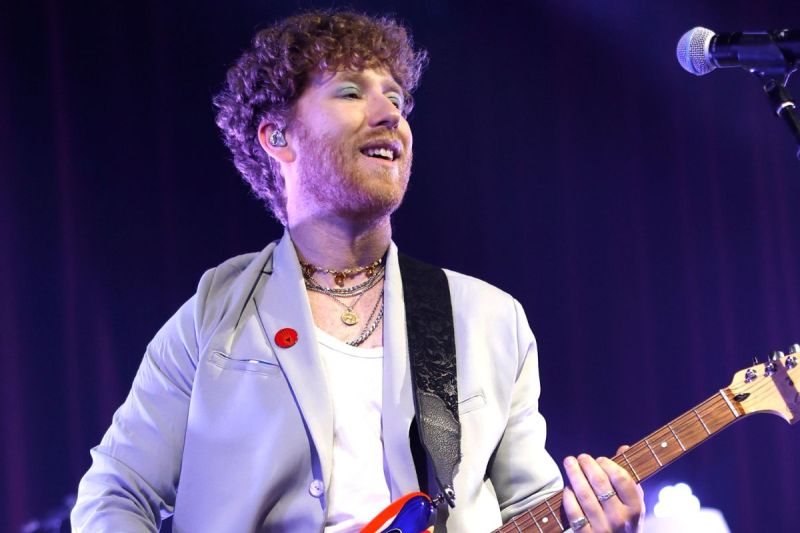
A Canadian singer was forced to cancel his fall 2025 tour after admitting he wasn’t able to sell enough tickets.
Videos by Suggest
JP Saxe, a Grammy-nominated singer-songwriter best known for his 2019 collaboration with Julia Michaels, “If the World Was Ending,” is embarking on a tour. The tour, planned to feature 32 performances across America, is set to take place from September to the end of October.
He wrote an op-ed for Variety about his decision.
“I didn’t sell enough tickets,” Saxe said about the tour cancellation. “Last week, my team told me we were going to have to cancel my fall tour. Ticket sales weren’t where they needed to be. The suggestion was: take the L, try again next year.”
Saxe then wrote that the music industry standard is to offer some “ego-saving explanation. He then pointed out the numerous excuses, such as wrong timing, new opportunities, illness, and even global warming.
“What you’re not supposed to say is, ‘Hey, I guess people aren’t really f—ing with me right now.’ ‘I aimed too high – my bad.’ ‘All of you who did buy tickets? You’re more than enough for me emotionally, just… not pragmatically,” Saxe continued.
The Canadian Singer Was Upfront About the Tour Cancellation Reason
Instead of making up an excuse, the Canadian singer decided to be completely upfront about his decision to cancel the tour in a video on Instagram.
He explained to his fans that if he and his team didn’t sell another 20,000 tickets in 48 hours, the tour would be canceled.
“To my surprise, people responded — in a big way,” Saxe said. “The video hit a few million views. A little grassroots army of emotional-song-loving cuties showed up, trying to buy every tour-saving ticket they could.”
He continued to write about how self-image is “delicate” on a good day and “fragile” on a bad one. “As an artist, your sense of self is tangled up with your ‘brand,” Saxe pointed out. “And it becomes hard to separate how you’re actually doing from how you’re perceived to be doing.”
Saxe noted that his tour-cancellation situation was more embarrassing before he shared it. “Once it was out there, it started to feel weirdly empowering. The honesty cracked something open,” he shared. “I didn’t expect to get messages from so many other artists calling me bold (or, absurdly, brave). I didn’t expect my team to get so many calls from industry folks commending me for telling the truth.”
He went on to add that he’d rather say and share “too much” instead of remaining quiet.