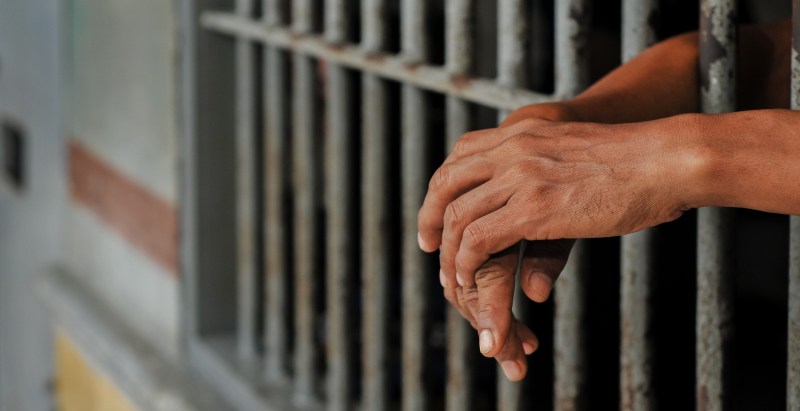
A grandmother from Tennessee claims she spent nearly five months behind bars after authorities in North Dakota mistakenly identified her as a suspect using facial recognition technology.
Videos by Suggest
Angela Lipps, 50, told WDAY News that U.S. Marshals arrested her at her home in Tennessee in July 2025 after investigators linked her to a bank fraud investigation in Fargo, North Dakota. Lipps insists she had never visited the state and had no connection to the alleged crimes.
Police in Fargo had been investigating a series of bank fraud incidents that occurred between April and May 2025. According to court documents, obtained by the outlet, surveillance footage showed a woman using a fake U.S. Army identification card to withdraw thousands of dollars from bank accounts. Detectives ran the images through facial recognition software, which flagged Lipps as a possible match.
Investigators then compared the surveillance images with Lipps’ driver’s license photo and social media accounts. A detective concluded that her facial features, hairstyle, and body type appeared similar to the suspect seen in the footage. Authorities subsequently charged Lipps with four counts of unauthorized use of personal identifying information and four counts of theft.
It Took Police Four Months To Interview The Wrong Suspect
Following her arrest, Lipps was booked into a Tennessee county jail. She remained there for roughly four months without bail while awaiting extradition to North Dakota. Once authorities transferred her to Fargo, she retained an attorney and was interviewed by police for the first time.
Her lawyer later obtained bank records that showed Lipps was in Tennessee at the same time the fraud incidents occurred more than 1,200 miles away in North Dakota. The records included everyday purchases that placed her in the state when investigators believed the suspect committed the crimes.
Five days after the police interview, prosecutors dismissed the charges and Lipps was released shortly before Christmas. However, she said authorities did not provide money or transportation for her return trip home. Local attorneys and a nonprofit group helped arrange lodging and travel so she could eventually return to Tennessee.
Lipps said the ordeal dramatically disrupted her life. While she was jailed, she lost her home, her car and even her dog because she could not keep up with bills.