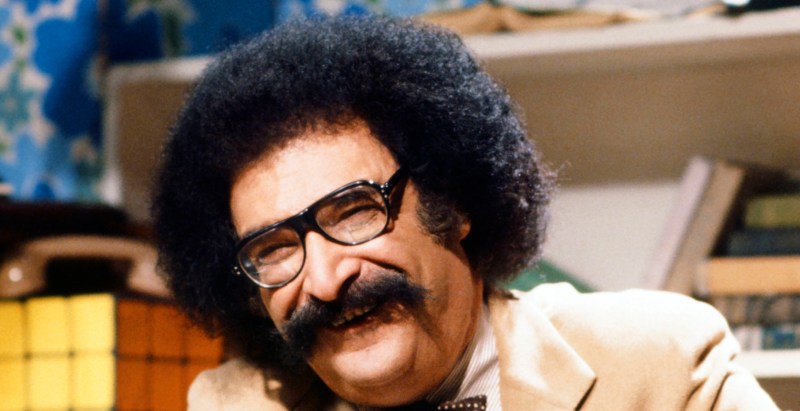
Gene Shalit, the longtime film critic and arts reporter whose distinctive mustache, unruly hair and pun-filled reviews made him one of the most recognizable personalities on NBC’s Today show, has died at the age of 100.
Videos by Suggest
Shalit’s family announced to NBC News his death on June 12. They said he, “passed away peacefully” after what they described as “100 years of an amazing life.” He spent four decades as a fixture on Today. There, his colorful commentary helped bring movie criticism into millions of American homes.
Born on March 25, 1926, in New York City, Shalit built a career that spanned print journalism, radio, and television. Before joining NBC, he wrote for publications including Look magazine, McCall’s and Ladies’ Home Journal. His success as a writer eventually led NBC executives to offer him a television role.
Gene Shalit Joined ‘Today’ in 1970
Shalit joined Today as a contributor in 1970 and became the program’s arts editor in 1973. He later became a regular presence in the show’s “Critic’s Corner” segments, where he reviewed films, books, and cultural events while interviewing some of the biggest names in entertainment.
Audiences knew Shalit for his exuberant personality and relentless wordplay. His reviews often featured elaborate puns and invented words that became part of his trademark style. His distinctive look, marked by oversized glasses, colorful bow ties, and a sweeping mustache, made him an instantly recognizable television figure.
Media observers credited Shalit with helping expand the influence of television critics at a time when newspapers and magazines dominated film coverage. His popularity on Today helped demonstrate that movie criticism could attract a broad television audience, paving the way for similar roles on other network morning programs.
Shalit retired from Today in 2010 after approximately 40 years with the program. Even after leaving the air, he remained a beloved figure in American pop culture.
He is survived by six children. His death closes the chapter on one of television’s most enduring and distinctive critical voices.