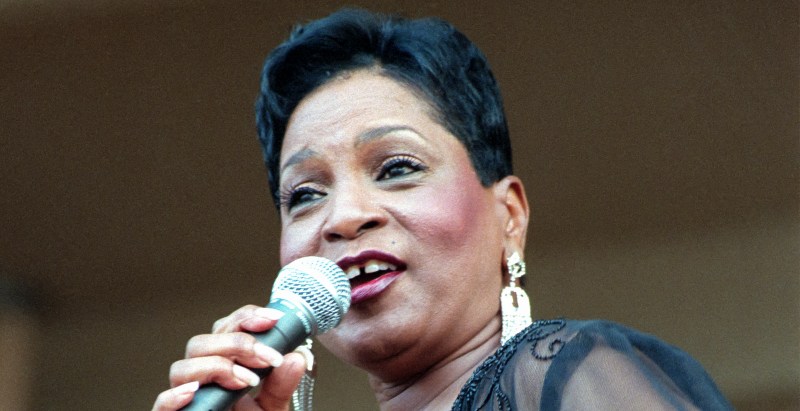
American soul-blues singer Barbara Carr has died at the age of 85, marking the end of a career that spanned decades and helped shape the Southern soul and blues tradition.
Videos by Suggest
Carr died on April 15, 2026, in Maryville, Illinois, according to obituary information and multiple reports. She passed away peacefully, surrounded by family.
Born Barbara Jean Crosby on January 9, 1941, in St. Louis, Missouri, Carr began singing in church as a child, a common starting point for many blues artists of her era. She formed her first band as a teenager and soon secured a breakthrough opportunity when bandleader Oliver Sain selected her as a vocalist, a move that led to her first recording contract in the 1960s.
Barbara Carr Went On To Make Her Own Label
Barbara Carr went on to build a steady recording career rooted in blues and soul. She released music on labels including Chess Records and later co-founded her own label, Bar-Car, with her husband. Her early albums, including Good Woman Go Bad and Street Woman, established her as a distinctive voice in the genre.
After stepping back from music to raise her family, Carr returned to recording and performing, eventually signing with Ecko Records. She released a series of albums that resonated with fans of Southern soul, including songs such as “Footprints on the Ceiling” and “The Right Kind of Love.” Over time, she recorded numerous albums and compilations, maintaining a loyal audience.
Carr’s work earned industry recognition. She received the Living Blues Readers Award for Female Blues Artist of the Year and secured nominations for Blues Music Awards, reflecting her influence and longevity in the genre.
Tributes from the music community described Carr as a powerful and enduring presence in soul-blues. Commentators highlighted her expressive vocal style and her ability to connect with audiences through emotionally direct performances.
Carr remained active into later life, continuing to record and perform while representing a bridge between classic blues traditions and contemporary Southern soul. Her death closes a chapter in American blues history, but her recordings and performances continue to define her legacy.